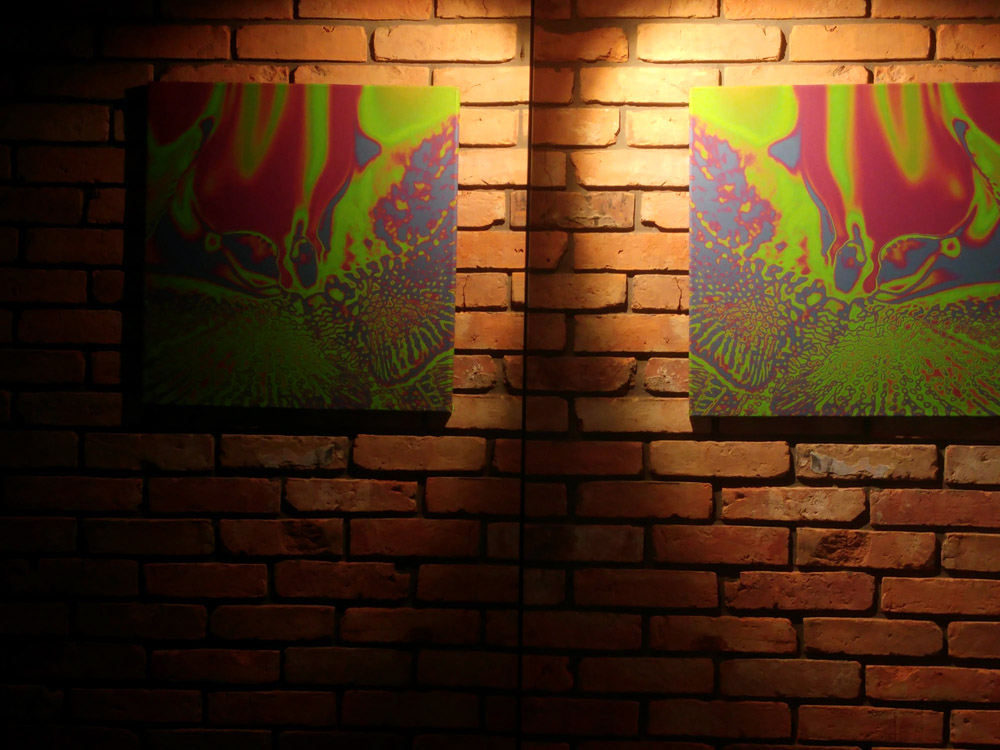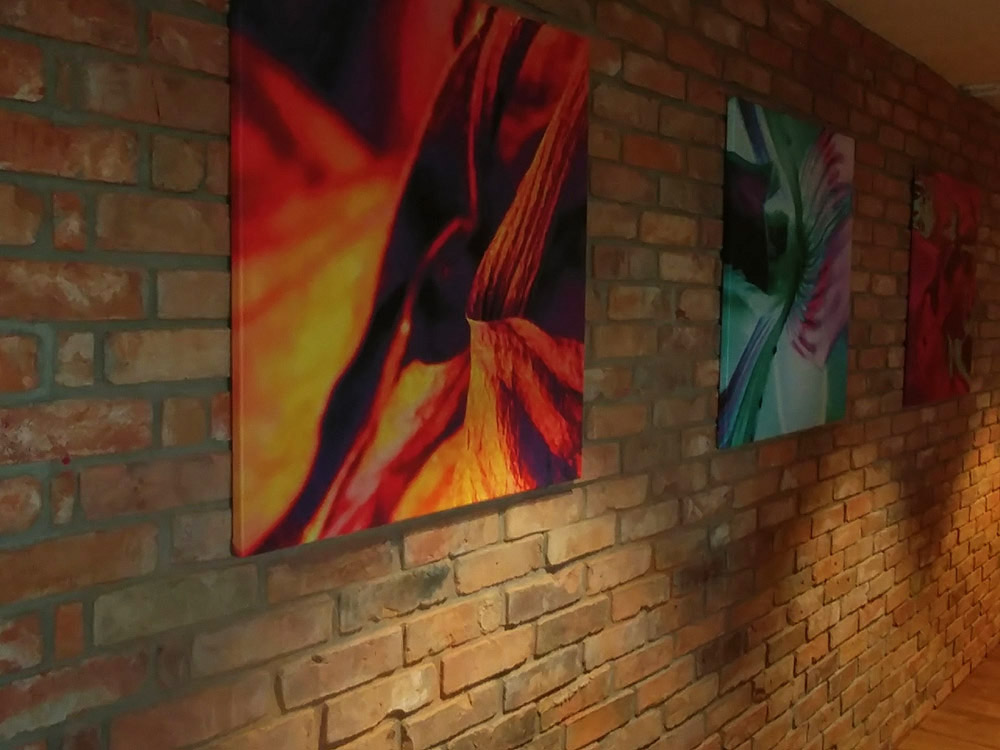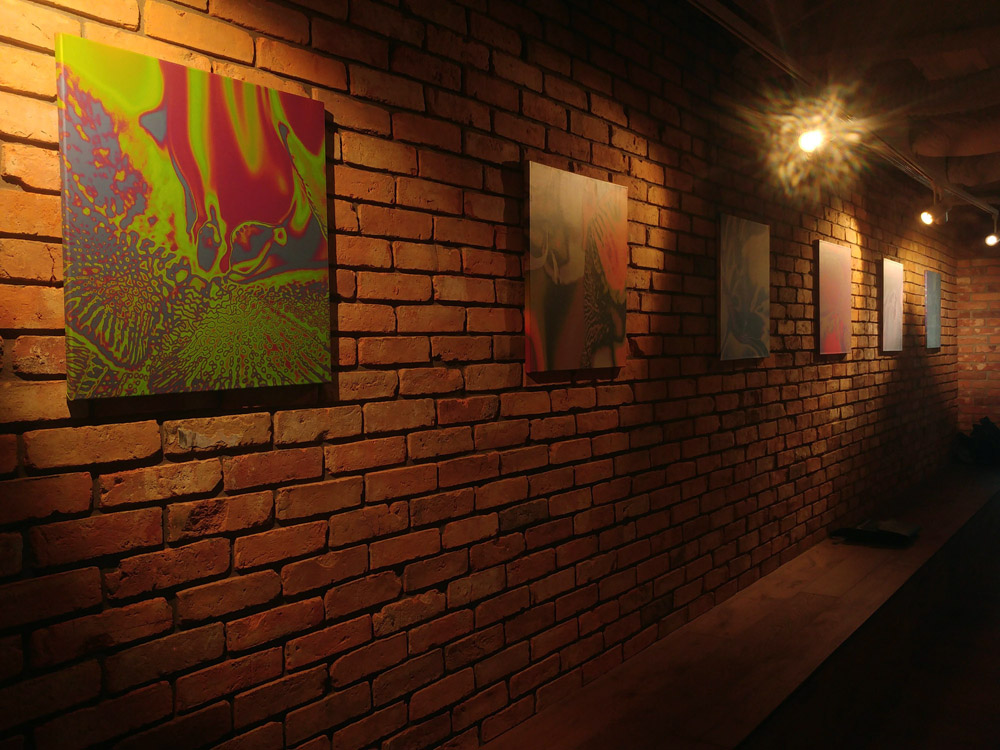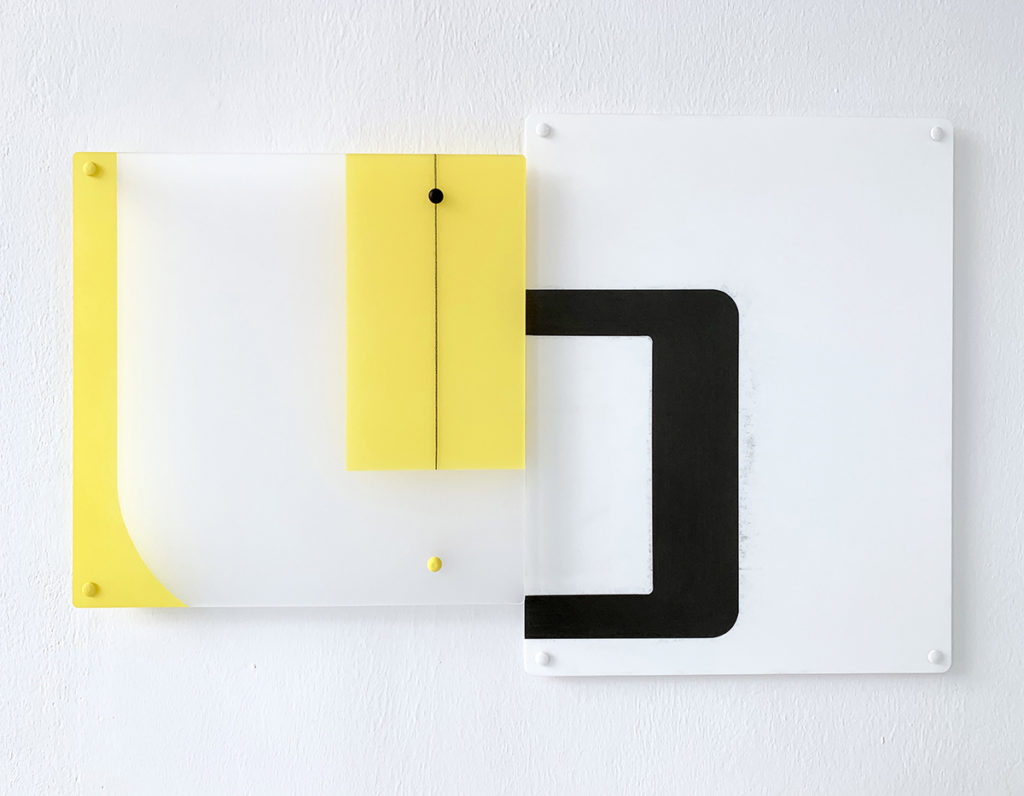
Digital art. Works belonging to this style are created by use of digital devices. The sophistication and exceptional precision of the software allows the artists to test the limits of human perception. The compositions are rhythmic, repetitive or unique, illusively imitating abstract forms. Digital technology creates aesthetics independent of painting techniques. The works take the form of flat prints or spatial reliefs.
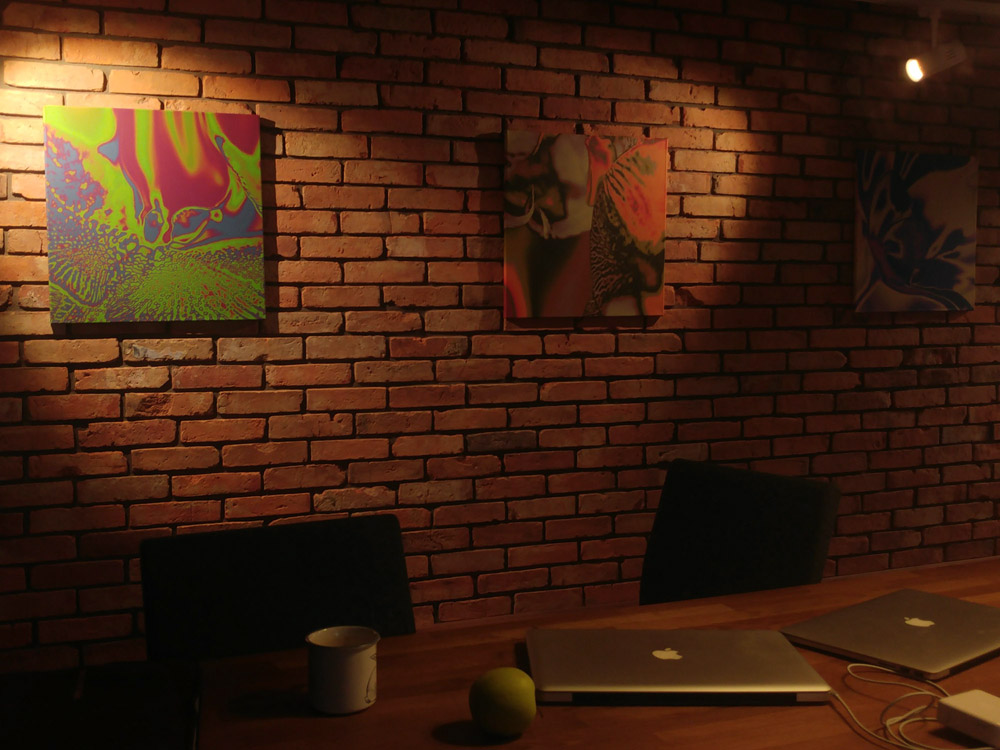
Digital Art and Abstraction: A New Frontier in Creative Expression
Digital art has revolutionized the world of abstraction, offering artists new tools, techniques, and possibilities that were unimaginable just a few decades ago. In the realm of abstraction, where the focus is on conveying ideas, emotions, and concepts through non-representational forms, digital technology has opened up an expansive and versatile canvas for creative exploration.
One of the defining features of digital art is its flexibility. Artists can manipulate forms, colors, textures, and compositions with precision and ease, often experimenting in ways that would be difficult or impossible with traditional media. The digital realm allows for endless iteration, enabling artists to explore a wide range of possibilities within a single piece, from subtle gradations of color to complex, layered compositions. This freedom to experiment fosters innovation and creativity, pushing the boundaries of what abstraction can be.
Digital tools also bring a new level of complexity to abstract art. Through the use of software, artists can create intricate patterns, fractals, and algorithmic designs that are both visually striking and conceptually profound. These forms, often generated or manipulated by code, reflect a merging of art and technology, where the artist’s vision is expressed through a collaboration with the machine. The resulting works can evoke a sense of order or chaos, harmony or discord, all within the abstract realm.